Dupuytren's surgery recovery usually takes about 6 to 12 weeks for most daily function to return, with stitches removed around 10 to 14 days and hand therapy continuing for several weeks. A night splint is often worn for a few months to help keep the finger straight. Swelling and stiffness can take longer to fully settle, especially if the middle joint of the finger was badly bent before surgery.
- Most people return to light hand use within 2 to 4 weeks after open surgery.
- Hand therapy and a night splint are key to keeping the finger straight.
- Swelling, scar firmness and stiffness can take a few months to settle.
- Fingers with a long-standing middle-joint bend may not straighten completely.
Dupuytren's surgery recovery usually takes 6 to 12 weeks for most everyday hand use to return, with stitches out at about two weeks and hand therapy for several weeks after that. Many people also wear a splint at night for a few months. Full softening of the scar and settling of stiffness can take longer, especially if the middle joint of the finger was very bent before surgery.
Knowing what to expect helps you plan work, family responsibilities and therapy visits. This guide focuses on recovery after open surgery (fasciectomy). Recovery after needle release is much quicker and is covered briefly below.
What happens on the day of surgery?
Most Dupuytren's operations are done as a day procedure under local or regional anaesthesia. You usually go home a few hours later with a bulky dressing and, often, a plaster or splint holding the fingers straight.
Before you leave, you are usually told how to keep the hand raised, how to care for the dressing, and when your first review or therapy session is due. Arrange for someone to take you home, as you should not drive with a freshly operated hand.
Dupuytren's surgery recovery: week by week
Every person heals differently, but the following timeline is typical after open surgery.
Days 1 to 7
- Keep the hand raised above heart level as much as possible to reduce swelling.
- Gently move the fingers that are free and the shoulder and elbow to prevent stiffness.
- Keep the dressing clean and dry. Do not remove it unless told to.
- Some oozing on the dressing and mild throbbing are common in the first two days.
Weeks 1 to 2
The first dressing change is usually done within the first week. Many people then start formal hand therapy, which includes gentle exercises and a custom-made splint.
Stitches are usually removed around 10 to 14 days. If the surgeon left part of the wound open to heal on its own (a technique sometimes used in the palm), it will need regular dressings for a few weeks.
Weeks 2 to 6
Light daily activities like eating, dressing and typing become easier. Therapy focuses on bending and straightening the finger fully, reducing swelling and massaging the scar.
The splint is often reduced to night-time use only in this phase. Avoid heavy lifting, strong gripping and tools that press on the palm.
Weeks 6 to 12
Strength gradually returns. Most people can go back to most normal activities, including heavier work, by the end of this period, though the palm may still feel tight or tender when gripping hard.
Beyond 3 months
The scar continues to soften and the finger may keep improving for up to six months or more. Night splinting is often continued for 3 to 6 months to help hold the correction.
Return to work and daily activities
| Activity | Typical timing after open surgery |
|---|---|
| Desk work, typing | 1 to 2 weeks |
| Driving | Usually 1 to 3 weeks, once grip is safe |
| Light manual tasks, cooking | 2 to 4 weeks |
| Heavy manual work, gym | Often 6 to 8 weeks or more |
| Swimming | After the wound has fully healed |
These are typical ranges only. Your surgeon will guide you based on how many fingers were operated, how the wound heals and the demands of your job. Our article on returning to work after hand surgery has more practical tips.
Why is hand therapy so important?
Surgery removes the cord, but scar tissue forms as the hand heals. Without regular movement and splinting, the finger can drift back into a bend.
A hand therapist helps you with:
- Exercises to keep the finger joints moving fully in both directions
- A splint to hold the finger straight, especially at night
- Swelling control with elevation, massage and gentle compression
- Scar massage and, sometimes, silicone sheets
Doing your home exercises several times a day matters as much as attending sessions. Read more in our guide on hand therapy after surgery.
What is normal and what is not?
Some symptoms are an expected part of healing:
- Swelling and bruising in the palm and fingers for a few weeks
- A firm, raised or tender scar for 2 to 4 months
- Some tingling or reduced feeling near the scar, which usually improves
- Mild stiffness on waking up
Contact your surgeon promptly if you notice:
- Increasing redness, warmth, pus or a bad smell from the wound
- Fever
- Severe pain that keeps getting worse rather than better
- Complete numbness on one side of a finger that does not improve
- Marked swelling with shiny skin and disproportionate pain, which may point to complex regional pain syndrome
How straight will my finger be?
Most people get a much straighter, more useful finger after surgery. Bends at the knuckle (MCP joint) usually correct very well.
Bends at the middle joint (PIP joint) can be harder. If the joint has been bent for a long time, the joint capsule and ligaments may also have tightened, and some bend may remain. Recurrence over the years is also possible, as the underlying tendency remains. Our overview of Dupuytren's contracture treatment options explains how this is weighed before surgery.
Recovery after needle release
After needle fasciotomy, there is no open wound, only small puncture marks. Most people return to light use within a few days and to normal activities within one to two weeks. A night splint is often still advised for some months. Recovery is quicker, but the contracture tends to return sooner than after open surgery.
Tips for a smoother recovery
- Keep the hand raised for the first few days, including on a pillow at night.
- Do not smoke, as it slows wound healing.
- Keep blood sugar well controlled if you have diabetes.
- Wear the splint exactly as advised.
- Begin scar care once the wound has fully closed; see our guide to scar care after hand surgery.
When to see a hand surgeon in Delhi
If you are planning Dupuytren's surgery, or are recovering and worried about stiffness, recurrence or your wound, a hand surgeon can review your progress and adjust your therapy plan. Problems such as infection or rapidly worsening pain should be seen without delay.
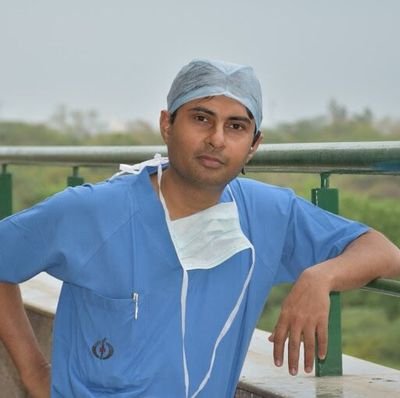
Dr. Anubhav Gupta, Consultant Plastic & Hand Surgeon at Sir Ganga Ram Hospital, New Delhi, treats hand contractures. He consults at Sir Ganga Ram Hospital, Rajinder Nagar, and at DermaWorld Skin Institute, Rajouri Garden, for patients across Delhi NCR.
Frequently asked questions
How painful is recovery after Dupuytren's surgery?
When can I drive after Dupuytren's surgery?
How long do I need to wear a splint after Dupuytren's surgery?
Is it normal for the scar to feel hard and lumpy?
Can I go back to the gym after Dupuytren's surgery?
Request a callback or speak to Dr. Anubhav Gupta's team today.
This article is for general information and is not a substitute for a medical consultation. Every patient's condition is different.