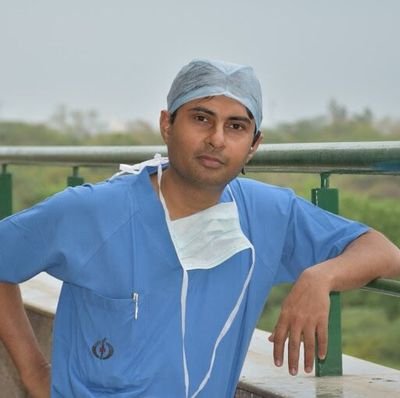
Plastic surgery is not only cosmetic. The word 'plastic' means reshaping, and plastic surgeons are trained in microsurgery, nerve repair, tendon repair and soft tissue reconstruction, which is why many hand surgeons come from a plastic surgery background. Plastic surgeon hand surgery covers nerve injuries, brachial plexus injuries, tendon injuries, contractures and hand lumps.
- 'Plastic' comes from a Greek word meaning to shape or mould, not from plastic material.
- Plastic surgery training includes microsurgery, nerve repair and reconstruction of skin and soft tissue.
- Hand surgery is a sub-speciality reached through plastic surgery or orthopaedics.
- Brachial plexus and nerve injuries rely heavily on microsurgical skills taught in plastic surgery.
Many patients are surprised when they are referred to a plastic surgeon for a hand or nerve problem. They expect cosmetic work, not nerve repair. In reality, plastic surgeon hand surgery is common worldwide, because plastic surgery training includes microsurgery, nerve and tendon repair, and reconstruction of damaged tissue. These are exactly the skills that complex hand and nerve problems need.
This article explains what plastic surgery really is, why it overlaps so much with hand surgery, and when a plastic surgeon may be the right specialist for you.
What does "plastic" surgery actually mean?
The word "plastic" comes from the Greek word plastikos, which means to shape or mould. It has nothing to do with plastic material.
Plastic surgery is broadly divided into two parts:
- Reconstructive surgery: restoring form and function after injury, disease, burns, cancer or birth differences
- Aesthetic (cosmetic) surgery: changing appearance for personal reasons
In training hospitals, a large share of a plastic surgeon's work is reconstructive. Hand surgery, burns, nerve surgery and wound reconstruction are a major part of it.
Why is plastic surgeon hand surgery so common?
Hand injuries rarely involve only one structure. A single deep cut can damage skin, tendons, nerves and blood vessels together. Plastic surgery training covers all of these:
- Microsurgery: repairing nerves and tiny vessels under an operating microscope
- Nerve repair and grafting: joining cut nerves or bridging gaps
- Tendon repair: fixing cut or ruptured tendons
- Soft tissue cover: skin grafts and flaps to close wounds that cannot be stitched directly
- Scar and contracture management: releasing tight scars that limit movement
Because of this, hand surgery has long been part of plastic surgery training in India and many other countries. A plastic surgeon who then completes dedicated hand surgery fellowships brings these skills together with focused hand expertise. Our guide on hand surgeon vs orthopaedic surgeon explains how the two routes into hand surgery compare.
Why are nerve and brachial plexus injuries often treated by plastic surgeons?
Nerve surgery depends heavily on microsurgical skill. Nerves are made of thousands of tiny fibres, and the repair is often done with stitches finer than a human hair.
The brachial plexus is the network of nerves from the neck that controls the shoulder, arm and hand. Injuries to it, often after bike accidents or difficult births, may need:
- Nerve grafts to bridge damaged sections
- Nerve transfer surgery, where a working nerve is redirected to a paralysed muscle
- Muscle or tendon transfers for late cases
These are microsurgical procedures, and many surgeons who focus on brachial plexus surgery come from a plastic surgery background. You can learn more about what hand microsurgery involves in a separate article.
Which hand problems do plastic surgeons commonly treat?
| Problem | Why plastic surgery skills help |
|---|---|
| Brachial plexus injury | Microsurgical nerve grafts and nerve transfers |
| Ulnar, median or radial nerve injury | Precise nerve repair under the microscope |
| Cut tendons | Fine tendon repair with attention to gliding and scarring |
| Claw hand, wrist drop | Tendon transfer and reconstruction |
| Burn contractures | Scar release, skin grafts and flaps |
| Hand lumps and tumours | Safe removal with careful closure and scar care |
| Carpal tunnel syndrome | Nerve decompression |
How does reconstruction help after severe hand injuries?
Severe injuries from machines, road accidents, burns or crush forces often damage several layers of the hand at once. A wound may be too large to stitch, with tendons or bone exposed underneath. In such cases, simply closing the skin is not enough.
Reconstructive plastic surgery uses techniques such as:
- Skin grafts, where thin skin is taken from another area to cover a wound
- Flaps, where skin and tissue with their own blood supply are moved to cover deeper structures
- Staged surgery, where cover is achieved first and tendons or nerves are reconstructed later
This planned, step-by-step approach is a core part of plastic surgeon hand surgery training. It allows the hand to heal with healthy cover, so later operations to restore movement have a better chance of working. Our guide on stiff fingers after injury explains why early movement and therapy also matter after such injuries.
Does a plastic surgeon care more about looks than function?
This is a common worry, but in hand surgery the main goal is always function: feeling, movement, strength and grip.
That said, plastic surgery training does pay extra attention to how incisions are placed and how scars heal. On the hand, where scars cross joints, a poorly placed scar can tighten and limit movement. So careful scar planning is not just cosmetic; it also protects function.
How do you know a plastic surgeon is right for your hand problem?
Check for:
- A super-speciality qualification in plastic surgery, such as M.Ch. or D.N.B.
- Additional hand surgery training or fellowships
- Membership of hand surgery or nerve surgery bodies, such as the Indian Society for Surgery of the Hand
- Regular experience with your particular condition
Ask directly how often the surgeon treats problems like yours and what the usual recovery path looks like. Our guide on how to choose the right hand surgeon in Delhi has more pointers.
When to see a hand surgeon in Delhi
See a hand surgeon if you have arm or hand weakness after an accident, numbness after a cut, a finger that will not bend or straighten, a tight scar limiting movement, or a lump in the hand. Nerve and brachial plexus injuries in particular should be assessed early, because many treatments work best within a certain time window.
For deep cuts, crush injuries, bites, amputation or spreading infection, go to an emergency department immediately.
Dr. Anubhav Gupta is a Consultant Plastic and Hand Surgeon, M.Ch. and D.N.B. in Plastic Surgery, with hand surgery fellowships in the UK and membership of the Brachial Plexus Surgeons Group of India and the Indian Society for Surgery of the Hand. He consults at Sir Ganga Ram Hospital, Rajinder Nagar, and at DermaWorld Skin Institute, Rajouri Garden, New Delhi.
Frequently asked questions
Is a plastic surgeon qualified to operate on my hand?
Will a plastic surgeon only focus on how my hand looks?
Do plastic surgeons fix broken bones in the hand?
What is reconstructive plastic surgery of the hand?
Request a callback or speak to Dr. Anubhav Gupta's team today.
This article is for general information and is not a substitute for a medical consultation. Every patient's condition is different.