Erb's palsy is weakness of a baby's shoulder and arm caused by stretching of the upper brachial plexus nerves during birth. Many babies recover well with gentle physiotherapy in the first few months, but those without good recovery by around three to six months may need nerve surgery. Early review by a brachial plexus specialist helps decide the right path.
- Erb's palsy affects the upper nerves of the brachial plexus, weakening the shoulder and elbow.
- It usually follows a difficult delivery, but can happen even in normal births.
- Most babies improve with physiotherapy; a smaller group needs surgery.
- Recovery of elbow bending by around three months is an important sign specialists look for.
Erb's palsy is weakness of a baby's shoulder and upper arm caused by stretching of the upper brachial plexus nerves (C5 and C6) during birth. Erb's palsy baby treatment usually starts with gentle physiotherapy, and many babies recover well in the first few months. Babies who do not show good recovery by around three to six months may need nerve surgery, so early review by a brachial plexus specialist is important.
For new parents, seeing one arm hang limp can be very worrying. This guide explains what is happening and what the options are.
What is Erb's palsy?
The brachial plexus is a network of nerves from the neck that controls movement and feeling in the arm. In Erb's palsy, the upper part of this network is injured.
The affected nerves control the muscles that lift the shoulder, turn the arm outwards and bend the elbow. The hand usually works, which is why many babies can grip but cannot lift the arm.
Erb's palsy is one type of birth (obstetric) brachial plexus palsy. Some babies have a wider injury involving the wrist and hand as well.
What causes Erb's palsy in babies?
It usually happens when the baby's head and shoulder are pulled apart during delivery. Common situations include:
- Shoulder dystocia, where the baby's shoulder gets stuck behind the mother's pelvic bone
- Large babies (high birth weight)
- Prolonged or difficult labour
- Assisted delivery with forceps or vacuum
- Breech delivery, where the baby comes out feet or bottom first
It can also happen in deliveries where none of these factors are present. It is usually not anyone's deliberate fault, and the focus should be on getting the right care.
What are the signs of Erb's palsy?
Parents or doctors usually notice soon after birth that one arm does not move as much as the other. Typical signs include:
- The arm lies straight by the side, turned inwards
- The wrist and fingers are bent, with the palm facing backwards ("waiter's tip" position)
- The baby cannot lift the arm or bend the elbow
- Weak or absent startle (Moro) reflex on one side
- The hand grip may still be present
Doctors also check for a broken collarbone or upper arm bone, which can happen at the same time and may look similar. If the eyelid droops on the same side or the hand is completely floppy, the injury may be more extensive.
How is Erb's palsy diagnosed?
Diagnosis is mainly clinical. A specialist examines the baby's arm movements at regular intervals and records how each muscle group is recovering.
Tests may include:
- X-rays to rule out fractures of the collarbone or arm
- Ultrasound or MRI in selected cases to look at the nerve roots or shoulder joint
- Nerve studies (EMG), sometimes used to support decisions about surgery
The most valuable information usually comes from repeated examinations over the first three to six months.
What are the Erb's palsy baby treatment options?
Treatment depends on how well the arm recovers over time.
Physiotherapy and home exercises
Almost all babies start with physiotherapy. The aim is to keep the shoulder, elbow and wrist joints flexible while the nerves recover. Parents are taught simple, gentle exercises to do several times a day.
Physiotherapy also helps prevent stiffness of the shoulder, which is one of the main long-term problems in Erb's palsy.
Splints
Some babies use soft splints at night to keep the wrist or elbow in a good position. Your therapist will advise if this is needed.
Nerve surgery
If there is little recovery, especially of elbow bending, by about three to six months, nerve surgery may be advised. This can involve nerve grafts or nerve transfers to bring a working nerve supply to the weak muscles. Our guide on when a baby with birth brachial plexus palsy needs surgery explains these decisions in detail.
Later procedures
Some children develop shoulder stiffness or muscle imbalance as they grow. Procedures such as tendon transfers or muscle releases may help improve shoulder movement later in childhood.
How do outcomes compare?
The table below gives a general picture. Every baby is different.
| Recovery pattern | What it often means | Typical approach |
|---|---|---|
| Good movement returning in first 1–2 months | Mild stretch injury | Physiotherapy; good outlook |
| Gradual partial recovery by 3–6 months | Moderate injury | Close follow-up; surgery considered case by case |
| Little or no elbow bending by 3–6 months | More severe injury | Nerve surgery often considered |
| Floppy hand, drooping eyelid | Wider injury, possible avulsion | Early specialist review |
How can parents help at home?
Parents play a big role in recovery. Practical tips include:
- Do the exercises taught by your physiotherapist regularly and gently
- Support the affected arm when lifting or feeding the baby
- Put the weak arm into clothes first and take it out last
- Encourage the baby to reach for toys with the affected arm
- Keep all follow-up appointments, even if the arm seems to be improving
Read more about therapy in our guide to physiotherapy after brachial plexus surgery, much of which also applies before surgery.
When to see a hand surgeon in Delhi
Your baby should be seen by a brachial plexus or hand surgeon if one arm is weak after birth, ideally within the first few weeks. This allows the specialist to track recovery and recommend timely treatment if needed. Learn more about the general signs in our article on brachial plexus injury symptoms.
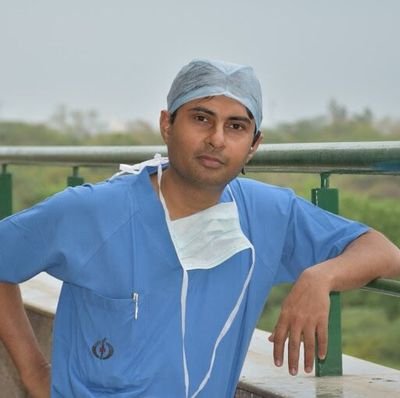
Dr. Anubhav Gupta is a Consultant Plastic and Hand Surgeon at Sir Ganga Ram Hospital, New Delhi, and treats both adult and birth brachial plexus injuries. He consults at Sir Ganga Ram Hospital, Rajinder Nagar (Room F-36, Private OPD, Mon–Sat, 2–4 PM) and at DermaWorld Skin Institute, Rajouri Garden (Mon and Thu, 6–8 PM). Call or WhatsApp +91 99104 69475 for appointments.
Bring your baby's birth records and any X-ray reports. Short videos of the baby moving the arm at home can also help in planning Erb's palsy baby treatment.
Frequently asked questions
Can Erb's palsy be cured completely?
Is Erb's palsy painful for my baby?
Can I breastfeed and dress my baby normally?
Will my baby's arm be shorter?
Request a callback or speak to Dr. Anubhav Gupta's team today.
This article is for general information and is not a substitute for a medical consultation. Every patient's condition is different.