Brachial plexus recovery time ranges from a few weeks for mild stretch injuries to two years or more after nerve surgery. Nerves regrow at roughly 1 mm a day, so after surgery the first flicker of movement often appears after a few months, and strength keeps improving for one to two years or longer. The exact timeline depends on the injury type, the surgery and rehabilitation.
- Mild stretch injuries may recover in weeks to a few months without surgery.
- After nerve surgery, first movement typically appears after three to six months or later.
- Useful strength often takes a year or more, and gains can continue beyond two years.
- Physiotherapy throughout keeps joints ready for returning nerve function.
Brachial plexus recovery time ranges from a few weeks for a mild stretch injury to two years or more after nerve surgery. Nerves regrow at roughly 1 mm a day, so after surgery the first flicker of movement often appears after a few months, and strength keeps improving for one to two years or longer. The exact timeline depends on the type of injury, the surgery done and the rehabilitation that follows.
This month-by-month guide gives a general picture. Your own timeline may be faster or slower.
Why is brachial plexus recovery so slow?
When a nerve is injured, the part beyond the injury stops working. New nerve fibres must grow from the injury or repair site all the way to the muscle or skin they supply.
This regrowth happens at roughly 1 mm a day, or about an inch a month. If the repair is near the shoulder and the target is in the hand, the distance is long and the wait is long.
Muscles also need time to rebuild strength once the nerve arrives. You can read more in our article on how long nerves take to heal.
What is the brachial plexus recovery time for different injuries?
| Injury type | Typical recovery pattern |
|---|---|
| Mild stretch (neuropraxia) | Often weeks to about 3 months |
| Moderate stretch with internal damage | Months; recovery may be partial |
| Rupture treated with nerve graft | First signs often after several months; improvement over 1–3 years |
| Avulsion treated with nerve transfer | First movement often within 3–9 months; strength builds over 1–2 years |
| Free functioning muscle transfer | First movement often within several months; training over 1–2 years |
These are general ranges. Timelines vary with age, the distance to the muscle and individual healing.
Weeks 0–4: after the injury
This phase focuses on treating any emergencies and protecting the arm.
- Life-threatening injuries, fractures and blood vessel injuries are treated first
- The arm is supported in a sling for comfort
- Gentle movement of the joints usually starts early, as advised, to prevent stiffness
- Pain is managed with medicines prescribed by the doctor
Specialist assessment, MRI and nerve studies are typically planned around three to four weeks after the injury.
Months 1–3: watching for natural recovery
Many mild injuries start to show improvement during this time. The surgeon will examine the arm at intervals and may repeat nerve studies.
If there are signs of avulsion or no recovery by about three months, surgery is usually discussed. Our brachial plexus injury treatment guide explains the options.
Physiotherapy continues throughout, keeping the shoulder, elbow, wrist and fingers supple.
Months 0–2 after surgery: protection and healing
After nerve surgery, the arm and sometimes the neck are kept still for a few weeks to protect the delicate repair.
During this phase:
- Wounds heal and stitches are removed
- The sling or splint is gradually reduced, as advised
- Gentle range-of-motion exercises restart under guidance
- There is usually no new movement yet, which is expected
Months 3–9 after surgery: the first signs
This is when many patients see the first evidence that nerves are reaching the muscles. After a nerve transfer near the target muscle, the first flicker often appears in this window.
Signs of recovery can include:
- A visible or felt flicker in the target muscle
- Tingling that gradually moves further down the arm
- Better results on EMG
- Return of some sensation
At first, movement may need help or may only work with gravity removed. Physiotherapy now shifts towards activating and strengthening these muscles. Learn more about this in our guide to physiotherapy after brachial plexus surgery.
Months 9–24: building strength and control
Strength usually builds steadily during this phase. Patients learn to lift the arm against gravity, then against light resistance.
Typical goals at this stage include:
- Bending the elbow to bring the hand to the mouth
- Stabilising and lifting the shoulder
- Using the arm for daily tasks such as eating, dressing and carrying light objects
- Returning to work or study, with adjustments if needed
Improvement is often gradual, with plateaus followed by new gains. A plateau of a few weeks is common and does not necessarily mean recovery has stopped.
Feeling in the arm and hand may also return slowly during this phase. Returning sensation can be accompanied by tingling or oversensitivity, which usually settles with time. Numb areas still need protection from heat, sharp objects and pressure.
Beyond two years: the long view
Most nerve-related recovery happens within the first two to three years. After this, gains are usually smaller, though continued exercise can still improve control and endurance.
If recovery is not enough by this stage, secondary procedures such as tendon transfers or muscle transfers may help. Our article on options after the first year explains these.
What can speed up or slow down recovery?
Some factors you can influence:
- Starting treatment early, rather than waiting many months
- Doing physiotherapy and home exercises regularly
- Stopping smoking
- Keeping diabetes and other health conditions well controlled
- Attending all follow-up appointments
See our article on brachial plexus surgery success factors for more detail.
When to see a hand surgeon in Delhi
If you have arm weakness after an accident or a baby with a weak arm after birth, see a brachial plexus specialist early. Also seek review if recovery seems to have stopped or you are unsure whether your progress is on track.
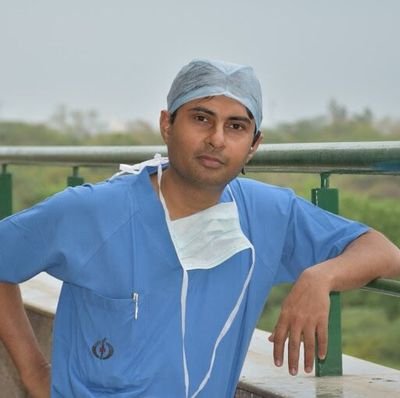
Dr. Anubhav Gupta is a Consultant Plastic and Hand Surgeon at Sir Ganga Ram Hospital, New Delhi, and a member of the Brachial Plexus Surgeons Group of India. He consults at Sir Ganga Ram Hospital, Rajinder Nagar (Room F-36, Private OPD, Mon–Sat, 2–4 PM) and at DermaWorld Skin Institute, Rajouri Garden (Mon and Thu, 6–8 PM). For appointments, call or WhatsApp +91 99104 69475.
Keeping a simple diary of changes in movement and feeling helps your surgeon judge your brachial plexus recovery time more accurately.
Frequently asked questions
Why does nerve recovery take so long?
Can recovery continue after two years?
What are signs that my nerves are recovering?
When can I go back to work?
Request a callback or speak to Dr. Anubhav Gupta's team today.
This article is for general information and is not a substitute for a medical consultation. Every patient's condition is different.