Brachial plexus injury treatment depends on the type and severity of nerve damage and on how soon the patient is assessed. Mild stretch injuries often recover with observation and physiotherapy, while ruptures and avulsions usually need surgery such as nerve grafting or nerve transfer, ideally within the first three to six months. Early review by a brachial plexus surgeon keeps the most treatment options open.
- The brachial plexus is the network of nerves from the neck that controls the shoulder, arm and hand.
- Treatment ranges from observation and physiotherapy to nerve repair, nerve grafts and nerve transfers.
- Timing matters: nerve surgery generally works best within the first three to six months after injury.
- Late cases still have options, such as muscle and tendon transfers, so it is worth getting assessed.
Brachial plexus injury treatment depends on which nerves are damaged, how badly, and how soon you are assessed. Mild stretch injuries often recover with observation and physiotherapy, but ruptures and avulsions usually need nerve surgery, ideally within three to six months. If you are looking for brachial plexus injury treatment in Delhi, the most important step is an early, thorough assessment by a nerve specialist.
This guide explains what the brachial plexus is, how injuries are classified, which tests are used, and what the main treatment options are, so that you and your family can make informed decisions.
What is the brachial plexus and how does it get injured?
The brachial plexus is a network of five nerve roots (C5, C6, C7, C8 and T1) that leave the spinal cord in the neck. They join, divide and regroup before travelling into the arm as the main nerves of the shoulder, elbow, wrist and hand.
Injury usually happens when the head and shoulder are forced apart, stretching or tearing these nerves. Common causes include:
- Motorcycle and road traffic accidents (the most common cause in young adults)
- Falls from height
- Heavy objects falling on the shoulder
- Sports and industrial injuries
- Difficult childbirth, which can injure a baby's plexus (see our guide on Erb's palsy in babies)
- Penetrating injuries such as stab or glass wounds
Many people notice a weak or completely "dead" arm right after the accident. Some also have numbness, a burning pain or a drooping eyelid. Our article on brachial plexus injury symptoms covers the warning signs in detail.
What are the types of brachial plexus injury?
Not every brachial plexus injury is the same. The type of injury largely decides the treatment.
| Injury type | What happens to the nerve | Usual outlook |
|---|---|---|
| Neuropraxia (stretch) | Nerve is stretched but intact | Often recovers in weeks to months |
| Axonotmesis | Inner fibres damaged, outer sheath intact | Partial or slow recovery; may need surgery |
| Rupture | Nerve torn outside the spinal cord | Needs surgical repair, usually with a nerve graft |
| Avulsion | Root pulled out of the spinal cord | Cannot recover by itself; needs nerve transfer |
Many patients have a mix of these at different levels. Our article on brachial plexus avulsion vs rupture explains the difference in more depth.
How is a brachial plexus injury diagnosed?
Diagnosis combines a careful clinical examination with imaging and nerve tests.
Clinical examination
The surgeon checks the strength of each muscle group, sensation in different parts of the arm and hand, and signs such as a drooping eyelid (Horner's syndrome) or winging of the shoulder blade. These help locate the level of injury.
Tests
- MRI of the neck and brachial plexus helps show root avulsions and swelling around the nerves.
- Nerve conduction studies and EMG show which nerves are working and whether any recovery has begun. These are usually most informative from about three to four weeks after the injury.
- X-rays and CT scans look for associated fractures of the neck, collarbone, shoulder or ribs.
Associated injuries, such as damage to the blood vessels of the arm, may need urgent treatment first.
What does brachial plexus injury treatment involve?
Treatment is planned for each patient individually. The main options are listed below.
Observation and physiotherapy
For mild injuries, surgeons often watch for signs of recovery for a few weeks to about three months. During this time, physiotherapy keeps the joints supple so they are ready when nerves recover.
Nerve repair and nerve grafts
When a nerve is cut cleanly in an open wound, it may be repaired directly. When there is a gap after a rupture, a piece of a less important nerve (often from the leg) is used as a bridge. This is called a nerve graft.
Nerve transfer
In a nerve transfer, a working nerve or part of a nerve that has a less critical job is redirected to a paralysed muscle close to it. Because the new connection is close to the muscle, recovery is often faster than with grafts. Nerve transfers are especially useful for root avulsions. Read our simple guide to nerve transfer surgery.
Muscle and tendon transfers
When the injury is old, or nerve surgery has not given enough function, a working muscle or tendon can be moved to take over a lost movement. In some cases a free functioning muscle transfer, where a muscle with its own nerve and blood supply is moved from another part of the body, can restore elbow bending or finger movement.
Pain management
Some patients, especially those with avulsion injuries, develop severe nerve pain. This is managed with a combination of medicines prescribed by the treating doctor, therapy and sometimes surgery.
When is the best time for brachial plexus surgery?
Timing is one of the most important factors in brachial plexus injury treatment. Muscles that lose their nerve supply slowly waste, and after roughly 12 to 18 months they may no longer respond even if a nerve reaches them.
In general:
- Open, sharp injuries may be explored and repaired early, often within days.
- Closed injuries from accidents are usually assessed with tests at three to four weeks, and surgery, if needed, is commonly done within three to six months.
- Late presentations may still benefit from muscle and tendon transfers.
This is why seeing a specialist early matters, even if your doctor has advised waiting.
How long does recovery take?
Nerves regrow slowly, at roughly 1 mm a day. The first flicker of movement after nerve transfer may take several months, and useful strength often takes a year or more. Improvement can continue for two years or longer, depending on the injury and the surgery.
Our brachial plexus injury recovery timeline explains what to expect month by month, and our guide to physiotherapy after brachial plexus surgery covers the rehabilitation phase.
What affects the result of treatment?
Outcomes vary, and no surgeon can promise full recovery. Factors that commonly affect results include:
- Time between the injury and surgery
- Age and general health of the patient
- The number of nerve roots involved and whether they are avulsed
- Associated injuries such as fractures or blood vessel damage
- Smoking and conditions such as diabetes
- Commitment to physiotherapy and home exercises
In general, restoring shoulder and elbow movement is more predictable than restoring fine hand function. You can read more in our article on brachial plexus surgery success factors.
When to see a hand surgeon in Delhi
You should see a hand or brachial plexus surgeon if you have arm weakness, numbness or paralysis after an accident, fall or childbirth, especially if it has not clearly improved within a few weeks. Babies with a floppy arm after birth should also be assessed early.
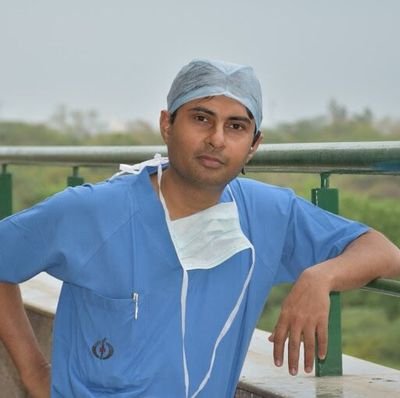
Dr. Anubhav Gupta is a Consultant Plastic and Hand Surgeon at Sir Ganga Ram Hospital, New Delhi, and a member of the Brachial Plexus Surgeons Group of India. He consults at Sir Ganga Ram Hospital, Rajinder Nagar (Room F-36, Private OPD, Mon–Sat, 2–4 PM) and at DermaWorld Skin Institute, Rajouri Garden (Mon and Thu, 6–8 PM). Appointments can be booked on +91 99104 69475 (phone or WhatsApp).
Bring all your scans, nerve study reports and discharge summaries to the first visit. These help the surgeon plan your brachial plexus injury treatment without delay.
Frequently asked questions
Can a brachial plexus injury heal on its own?
Which doctor treats brachial plexus injury?
Is brachial plexus surgery covered by insurance in India?
Is it too late for treatment one year after a brachial plexus injury?
How long does brachial plexus surgery take?
Request a callback or speak to Dr. Anubhav Gupta's team today.
This article is for general information and is not a substitute for a medical consultation. Every patient's condition is different.