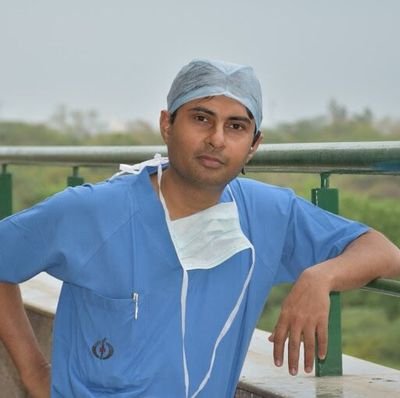
Elbow bending and shoulder movement are usually the first priorities after a brachial plexus injury, because they let the hand reach the mouth and stay stable in front of the body. Elbow flexion restoration surgery most often uses nerve transfers in the first several months, and tendon or free muscle transfers when the injury is older. Shoulder function is commonly restored with nerve transfers to the shoulder muscles, and later with tendon transfers or fusion.
- Elbow bending and shoulder stability are usually the top goals in brachial plexus reconstruction.
- Nerve transfers work best when done within the first several months after injury.
- Late cases may still benefit from tendon transfers or free functioning muscle transfer.
- Recovery is gradual, with first movement often seen months after surgery and therapy essential throughout.
Elbow bending and shoulder movement are usually the first priorities after a brachial plexus injury, because they allow the hand to reach the mouth and stay steady in front of the body. Elbow flexion restoration surgery most often uses nerve transfers in the first several months after injury, and tendon or muscle transfers when the injury is older. Shoulder function is restored in a similar step-by-step way.
This article explains why these movements come first, which operations are used, and what recovery usually looks like.
Why are elbow bending and shoulder movement treated first?
A hand that cannot be brought to the face or held in front of the body is hard to use, even if the fingers work. Surgeons therefore usually rank goals in this order:
- Elbow bending (flexion): to eat, drink, and bring objects close.
- Shoulder stability and lifting: so the arm does not hang and pull, and can be lifted away from the body.
- Shoulder rotation: to position the hand in front of the body.
- Hand function and sensation: depending on the level of injury.
In upper plexus injuries, often called C5–C6 injuries, the hand may work well while the shoulder and elbow do not. Restoring these two movements can then make a big difference to daily life.
What is elbow flexion restoration surgery?
Elbow flexion restoration surgery is any operation aimed at bringing back the ability to bend the elbow, mainly by powering the biceps and brachialis muscles. The approach depends largely on how long ago the injury happened.
Nerve transfers (early cases)
In a nerve transfer, a small, expendable part of a working nerve is connected to the nerve of a paralysed muscle close to that muscle. This shortens the distance the nerve has to grow. Common choices include:
- Oberlin transfer: part of the ulnar nerve to the biceps nerve.
- Double fascicular transfer: parts of the ulnar and median nerves to the biceps and brachialis nerves.
- Intercostal nerve transfer: nerves from between the ribs, used when arm nerves are not available.
You can read a simple explanation in our guide to nerve transfer surgery.
Nerve grafting
If a nerve is ruptured but its root is still attached to the spinal cord, the gap can be bridged with nerve grafts taken from elsewhere in the body.
Muscle and tendon transfers (late cases)
When the injury is old and the biceps has wasted, options include a tendon transfer (such as moving forearm muscles higher on the arm, or using chest or back muscles) or a free functioning muscle transfer, often the gracilis from the thigh. Our article on options for an old brachial plexus injury covers these in more detail.
How is shoulder movement restored?
The shoulder needs both stability and movement. Commonly used methods include:
- Spinal accessory to suprascapular nerve transfer: a branch of the nerve to the trapezius muscle is used to power muscles that lift and rotate the shoulder.
- Triceps branch to axillary nerve transfer: a branch of the radial nerve is used to power the deltoid muscle.
- Tendon transfers: in late cases, muscles such as the trapezius can be moved to help lift the arm.
- Shoulder fusion: for a flail, unstable shoulder when other options are not suitable.
If the shoulder was dislocated at the time of injury, an isolated nerve problem may be present; see our article on axillary nerve injury after shoulder dislocation.
Early vs late options at a glance
| Timing after injury | Elbow options | Shoulder options |
|---|---|---|
| First several months | Nerve transfers (Oberlin, double fascicular, intercostal), nerve grafts | Spinal accessory and triceps branch nerve transfers, nerve grafts |
| After about 12–18 months | Tendon transfers, free functioning muscle transfer | Tendon transfers, shoulder fusion |
The exact timing varies from patient to patient and is decided after examination and tests.
How long does recovery take?
Recovery after elbow flexion restoration surgery is slow but steady. A typical outline is:
- First few weeks: the arm is protected in a sling while wounds heal.
- Early months: physiotherapy keeps the joints supple, and patients practise "thinking" of the donor movement.
- Several months onwards: first flickers of muscle activity often appear.
- One year and beyond: strength and control continue to improve.
Therapy is essential throughout. Our physiotherapy guide after brachial plexus surgery explains exercises and how to retrain the brain after a nerve transfer. For a broader view, see the recovery timeline after brachial plexus injury.
What affects the result?
- Time from injury to surgery: earlier is usually better.
- Age: younger patients often recover more.
- Strength of donor nerves: a weak donor gives a weaker result.
- Joint suppleness: stiff joints limit movement.
- Commitment to therapy: retraining is a long process.
Results vary, and many patients regain useful elbow bending rather than full normal strength.
What questions should you ask before surgery?
Planning elbow flexion restoration surgery is a shared decision. It helps to go to your consultation with a few clear questions:
- Which nerves or muscles will be used as donors, and will I notice any weakness from them?
- Is a nerve transfer still possible in my case, or am I better suited to a tendon or muscle transfer?
- Will my shoulder be treated in the same operation or later?
- How long will I need a sling, and when can I return to work?
- How often will I need physiotherapy, and can some of it be done at home?
- What level of elbow strength is realistic for me?
Writing down the answers, or bringing a family member to the visit, makes it easier to follow the plan over the long recovery period.
When to see a hand surgeon in Delhi
Anyone who cannot bend the elbow or lift the shoulder after an accident, fall or difficult birth should see a brachial plexus specialist early, because the best results from nerve transfers usually depend on surgery within the first several months. Dr. Anubhav Gupta, Consultant Plastic & Hand Surgeon, consults at Sir Ganga Ram Hospital (Room F-36, Private OPD, Rajinder Nagar) and at DermaWorld Skin Institute, Rajouri Garden. Appointments can be requested on +91 99104 69475 (phone or WhatsApp).
Even if months or years have passed, a review can show whether tendon or muscle transfers are possible.
Frequently asked questions
What is the Oberlin transfer?
Will I lose hand strength after a nerve transfer for elbow bending?
How soon after surgery will my elbow start bending?
Can both shoulder and elbow be fixed in one operation?
Request a callback or speak to Dr. Anubhav Gupta's team today.
This article is for general information and is not a substitute for a medical consultation. Every patient's condition is different.