When a brachial plexus injury is more than a year old, nerve repair alone usually works poorly because the paralysed muscles have wasted and can no longer accept a regrowing nerve. Useful function can still often be improved with other operations, such as tendon transfers, free functioning muscle transfer, joint fusion or bone procedures. The right option depends on which muscles still work, joint stiffness and the patient's goals, so an assessment by a brachial plexus surgeon is the first step.
- After about 12–18 months, paralysed muscles usually cannot be revived by nerve surgery alone.
- Late options include tendon transfers, free functioning muscle transfer, joint fusion and bone procedures.
- Goals are realistic and specific, such as bending the elbow or stabilising the shoulder, rather than full normal function.
- Supple joints and dedicated physiotherapy make a big difference to results.
When a brachial plexus injury is more than a year old, nerve repair alone usually works poorly, because the paralysed muscles have wasted and can no longer accept a regrowing nerve. That does not mean nothing can be done. Old brachial plexus injury treatment focuses on other operations, such as tendon transfers, free muscle transfers and joint fusion, that can still improve useful function in many patients.
Many people in India reach a nerve specialist late, often after months of waiting, physiotherapy alone or a missed diagnosis. This article explains what changes after the first year and what realistic options remain.
Why does timing matter so much in brachial plexus injury?
Nerves regrow slowly, roughly about an inch a month in the best conditions. Meanwhile, a muscle that has lost its nerve supply slowly shrinks and is replaced by scar and fat. After roughly 12 to 18 months, most paralysed muscles can no longer respond even if a nerve finally reaches them.
This is why early nerve surgery and nerve transfers are usually performed within the first several months. For a fuller picture of what affects results, read our article on brachial plexus surgery success factors.
The exact window varies with age, the level of injury and the distance between the injury and the muscle. Children may have slightly more flexibility than adults.
What happens during assessment for a late injury?
The surgeon will want to know exactly what still works. The assessment usually includes:
- Muscle-by-muscle examination to find which muscles are strong enough to be used as donors.
- Joint movement checks, since stiff shoulders, elbows or fingers limit what surgery can achieve.
- Sensation mapping, because a numb hand needs extra protection.
- Review of previous surgery and reports, including earlier MRI and EMG.
- Discussion of goals, such as bending the elbow to eat, holding an object against the body or stabilising a floppy shoulder.
Some patients may need fresh tests. Our guide on tests for brachial plexus injury explains what each one shows.
What are the treatment options after the first year?
Tendon transfers
A working muscle that is less important is re-routed to do the job of a paralysed one. For example, muscles around the shoulder or forearm may be moved to help lift the arm, bend the elbow or straighten the wrist. Tendon transfers work best when there are strong donor muscles and supple joints. Learn more in our guide to tendon transfer surgery for nerve palsy.
Free functioning muscle transfer
When there are no suitable local donors, a healthy muscle, commonly the gracilis from the inner thigh, can be moved to the arm with its own blood vessels and nerve. The vessels are joined using microsurgery and the muscle's nerve is connected to a working nerve. Over months, the new muscle can learn to bend the elbow and sometimes help with finger movement.
Joint fusion (arthrodesis)
A shoulder or wrist that flops uselessly can sometimes be fused in a functional position. This gives stability so that remaining muscles can position the arm. Fusion is a permanent decision and is considered carefully.
Bone and soft-tissue procedures
Rotation osteotomy of the upper arm bone or releases of tight muscles can improve the position of the arm, especially in children with old birth brachial plexus palsy.
Comparing late reconstruction options
| Option | Typically used for | Main requirement | Recovery outline |
|---|---|---|---|
| Tendon transfer | Shoulder, elbow, wrist or finger movement | Strong donor muscle, supple joint | Weeks of protection, months of therapy |
| Free functioning muscle transfer | Elbow bending, sometimes finger grip | Working donor nerve, good vessels | Movement often appears after several months |
| Joint fusion | Unstable shoulder or wrist | Good bone quality, clear goal | Bone healing over a few months |
| Osteotomy or release | Poor arm position, contractures | Correct assessment of deformity | Varies with procedure |
What results can you realistically expect?
Late reconstruction aims for specific, useful gains rather than a normal arm. Many patients hope to:
- Bend the elbow enough to bring the hand towards the mouth.
- Hold objects against the body.
- Use the injured arm as a helper for the other hand.
- Reduce the pull and discomfort of a heavy, hanging arm.
Results vary widely, and some patients may need more than one operation in stages. Pain from the original nerve injury is a separate problem; our article on brachial plexus nerve pain covers how it is managed.
Is late treatment different for children with birth palsy?
Children with an old birth brachial plexus palsy often develop a different set of problems as they grow. The shoulder may turn inwards and become tight, the elbow may not straighten fully, and the shoulder joint itself can gradually change shape.
For these children, late treatment often includes:
- Releasing tight muscles around the shoulder.
- Tendon transfers to help the arm turn outwards and lift.
- Rotation osteotomy of the upper arm bone in older children.
- Ongoing therapy and home exercises guided by parents.
Timing is planned around the child's growth and needs. Our article on when a baby with birth brachial plexus palsy needs surgery explains the early decisions in more detail.
How can you prepare for late surgery?
- Keep joints moving with regular stretching to prevent stiffness.
- Protect a numb hand from burns and cuts.
- Maintain overall fitness and control conditions such as diabetes.
- Plan for therapy visits, since rehabilitation is as important as the operation.
- Discuss work, driving and family support ahead of time.
When to see a hand surgeon in Delhi
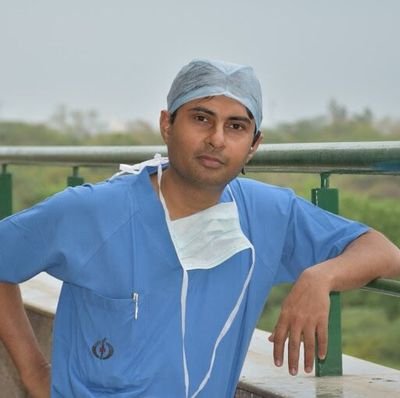
If your brachial plexus injury is more than a year old and you were told nothing more can be done, it is still worth having a review with a brachial plexus specialist, because old brachial plexus injury treatment has moved beyond nerve repair alone. Dr. Anubhav Gupta, Consultant Plastic & Hand Surgeon and a member of the Brachial Plexus Surgeons Group of India, consults at Sir Ganga Ram Hospital (Room F-36, Private OPD, Rajinder Nagar) and at DermaWorld Skin Institute, Rajouri Garden. Appointments can be requested on +91 99104 69475 (phone or WhatsApp).
Bring all previous reports, scan images and operation notes so that the options can be discussed in detail at the first visit.
Frequently asked questions
Is it too late for surgery two or three years after a brachial plexus injury?
What is a free functioning muscle transfer?
How long is recovery after late reconstruction?
Can a stiff shoulder or elbow be treated before reconstruction?
Request a callback or speak to Dr. Anubhav Gupta's team today.
This article is for general information and is not a substitute for a medical consultation. Every patient's condition is different.