Brachial plexus surgery cost in India depends on the type and extent of the injury, how long ago it happened, whether nerve repair, grafts, nerve transfers or muscle transfers are needed, the length of surgery and hospital stay, and the months of rehabilitation that follow. Because each injury is different, a reliable estimate is given only after specialist examination and tests such as MRI and nerve studies.
- Brachial plexus surgery ranges from single nerve transfers to long multi-stage reconstructions, so cost varies widely.
- Timing matters: early surgery may allow nerve-based reconstruction, while late cases may need muscle or tendon transfers.
- Tests, operating time, microsurgical needs, hospital stay and long rehabilitation all form part of the total.
- Accident-related brachial plexus injuries are often covered by health insurance, subject to policy terms.
Brachial plexus surgery cost in India depends on the type and extent of the injury, the time since it happened, and which procedures are needed, such as nerve repair, grafts, nerve transfers or muscle transfers. The length of surgery, hospital stay and months of rehabilitation also shape the total. Because every injury is different, a reliable estimate is given only after specialist examination and tests such as MRI and nerve studies.
A brachial plexus injury is life-changing, and families often have to make decisions quickly. Knowing what drives the estimate can help you plan treatment without unnecessary delay.
What is brachial plexus surgery?
The brachial plexus is a network of nerves running from the neck to the shoulder, arm and hand. Injuries, often from bike accidents or falls, can stretch, tear or pull these nerves from the spinal cord. Babies can also be affected during difficult births, as explained in Erb's palsy in babies.
Surgery aims to restore the most important functions, often shoulder stability, elbow bending and, where possible, hand function. Our overview of brachial plexus injury treatment in Delhi explains the options.
Why does brachial plexus surgery cost vary so much?
There is no standard package because injuries range from partial, single-nerve damage to complete paralysis of the arm. The main factors are below.
1. Type and extent of injury
- Upper plexus injuries may need fewer procedures.
- Complete or pan-plexus injuries usually need more extensive reconstruction.
- Avulsions, where nerve roots are pulled from the spinal cord, cannot be directly repaired and often need nerve transfers. See brachial plexus avulsion vs rupture.
2. Timing of surgery
In many adult injuries, surgery is considered within the first few months if natural recovery is not seen. Early cases may be treated with nerve repair, grafts or transfers. Late cases, after muscles have weakened beyond nerve recovery, may need muscle transfer for late brachial plexus injury, which is a different type of operation.
3. Procedures needed
- Nerve grafts to bridge gaps, using nerves from elsewhere in the body
- Nerve transfers to redirect working nerves to key muscles; see nerve transfer surgery explained
- Free functioning muscle transfer in selected late cases
- Tendon transfers or joint procedures later to fine-tune function
4. Length of surgery and microsurgical needs
These operations can take many hours under general anaesthesia, with an operating microscope and specialised instruments. Longer surgery means more theatre and anaesthesia time.
5. Tests before surgery
MRI, nerve conduction studies and EMG help map the injury. See tests for brachial plexus injury: MRI and EMG.
6. Hospital stay and room category
Most patients stay in hospital for a few days. Room category and any associated injuries, such as fractures, influence the bill.
7. Rehabilitation
Recovery after brachial plexus surgery is slow, often a year or more. Regular physiotherapy, splints and follow-ups are a real part of the total cost. Read about physiotherapy after brachial plexus surgery.
Families should also plan for indirect costs. These can include travel for review visits, time off work for the patient and a caregiver, and home exercise equipment. Many patients can do much of their therapy at home once taught, with periodic reviews, which can make the long recovery more manageable.
8. Pain management
Some patients, particularly those with root avulsions, develop significant nerve pain. Managing it may involve medicines prescribed and adjusted by a doctor, and occasionally a pain specialist. See nerve pain after brachial plexus injury.
Cost factors at a glance
| Factor | Simpler scenario | More complex scenario |
|---|---|---|
| Injury extent | Partial, upper plexus | Complete or pan-plexus |
| Injury type | Stretch or rupture | Root avulsion |
| Timing | Early, within the usual window | Late, needing muscle transfers |
| Procedures | Single nerve transfer | Multiple grafts and transfers, staged surgery |
| Associated injuries | None | Fractures, vascular injury |
| Rehabilitation | Months | A year or longer |
This shows direction only, not exact amounts.
Is brachial plexus surgery covered by insurance?
Because most adult brachial plexus injuries result from accidents, surgery is often covered by health insurance from the start of the policy, subject to sub-limits, room rent caps and co-payment terms. Cashless treatment may be possible at network hospitals with pre-authorisation. Outpatient physiotherapy may have limited cover. See our guide on hand surgery insurance in India.
Keep accident records, discharge summaries from the first hospital, and all scan and nerve study reports ready.
Why early assessment matters
Families sometimes wait to arrange funds or hope for natural recovery. Some recovery does happen in partial injuries, but muscles that lose nerve supply for too long may not recover even after surgery. Early assessment lets your surgeon:
- Monitor recovery with examinations and tests
- Plan surgery within the most useful window
- Explain likely stages so you can plan finances
Our page on the brachial plexus injury recovery timeline explains what to expect over time. Asking for a staged plan, with the likely first operation and possible later steps, helps families budget realistically over the full course of treatment.
Planning as an outstation patient
Many patients travel to Delhi for brachial plexus care. Bring all reports, scans on CD or digital files, and discharge summaries. Our guide for outstation patients seeking hand surgery in Delhi has practical tips.
When to see a hand surgeon in Delhi
See a specialist as soon as possible if you have arm weakness, inability to lift the shoulder or bend the elbow, or numbness after a road accident or fall. For babies with weak arm movement after birth, early assessment is also important.
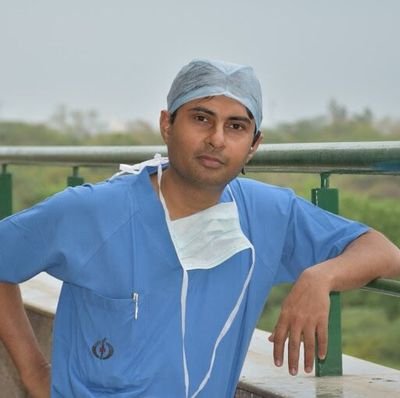
Dr. Anubhav Gupta, Consultant Plastic & Hand Surgeon and a member of the Brachial Plexus Surgeons Group of India, treats adult and birth brachial plexus injuries. He consults at Sir Ganga Ram Hospital, Rajinder Nagar, and at DermaWorld Skin Institute, Rajouri Garden. A clear estimate is shared after consultation, once the injury has been assessed and a plan made.
Frequently asked questions
Why is brachial plexus surgery more expensive than other hand surgery?
Will I need more than one operation?
Is brachial plexus surgery for babies costed differently?
Can I get an estimate from reports without visiting?
Does waiting to save money make sense?
Request a callback or speak to Dr. Anubhav Gupta's team today.
This article is for general information and is not a substitute for a medical consultation. Every patient's condition is different.